Programming Faster: How to Write Code More Efficiently and Become a Pro Developer
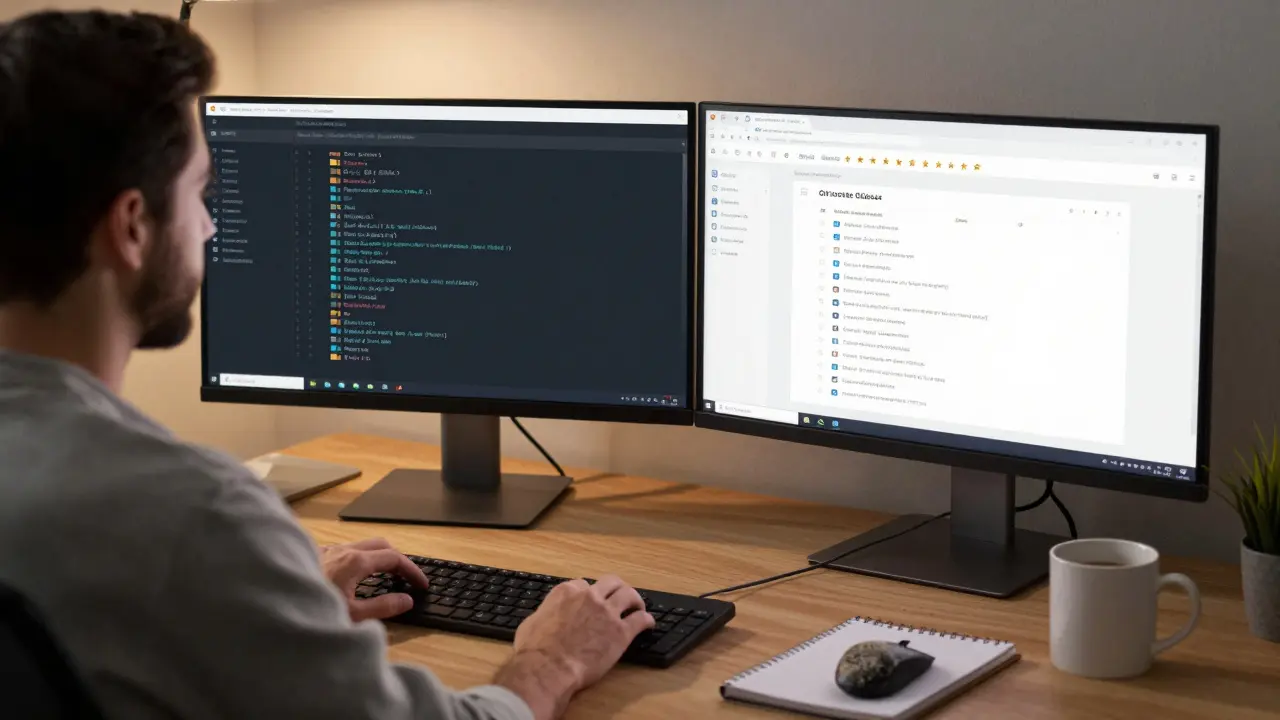
Most developers don’t get slower because they’re bad at coding. They get slower because they’re stuck in habits that waste time-repeating the same mistakes, hunting down bugs for hours, or rewriting code that already exists. If you want to program faster, you don’t need to learn ten new languages. You need to fix what’s already broken in your workflow.
Stop Rebuilding What Already Exists
How many times have you written a function to parse a CSV file, validate an email, or hash a password-only to find out three days later that a well-tested library does it better? This isn’t efficiency. It’s ego-driven reinvention.
Every major language has a package manager: pip for Python, npm for JavaScript, Cargo for Rust. These aren’t just convenience tools-they’re time-savers built by thousands of developers who’ve already solved the problems you’re struggling with. Use them.
Before you write anything from scratch, ask: Has this been done before? Search GitHub, Stack Overflow, or the official package registry. If you find a library with over 1,000 stars and active maintenance, it’s likely safer, faster, and more secure than your first attempt. Don’t reinvent the wheel. Steal the wheel-then make it better.
Master Your Editor, Not Just the Language
Two developers with the same skill level can have wildly different output. The difference? How fast they move through code.
One uses mouse clicks to navigate files. The other types Ctrl+P to jump to any file, Alt+Shift+Down to duplicate a line, or Ctrl+Shift+L to select all instances of a word. That’s not magic. That’s muscle memory.
Learn your editor’s shortcuts. If you’re using VS Code, install the Keymap extension and run the interactive tutorial. Spend 15 minutes a day for a week practicing shortcuts. You’ll cut your navigation time by half. That’s 2-3 hours saved per week. Over a year, that’s over 150 hours-nearly four full workweeks.
Pro tip: Disable your mouse for a week. Force yourself to use keyboard commands. You’ll hate it at first. By day five, you’ll wonder how you ever lived without it.
Write Code That Writes Code
Automation isn’t just for DevOps. It’s for you.
Do you create the same folder structure for every new project? Do you copy-paste the same boilerplate code for API routes, database models, or config files? Stop. Write a script to do it.
Here’s a real example: I used to manually create a Python project with src/, tests/, requirements.txt, and a README.md. Now I have a simple Python script that runs new-project my-app --type=web and generates everything in under a second. I didn’t write it once and forget it. I improved it over time-adding linting configs, GitHub Actions templates, and Docker files.
Start small. Automate one repetitive task. Then another. Soon, you’ll be writing code that generates code. That’s when you stop being a coder and start being a builder.

Debug Like a Pro-Don’t Guess
Debugging shouldn’t be a guessing game. If you’re spending hours printing variables or adding random console.log statements, you’re working too hard.
Learn to use a debugger. In Python, use python -m pdb your_script.py. In JavaScript, open DevTools and set breakpoints. Step through your code line by line. Watch variable changes in real time.
Most bugs are caused by assumptions: “This variable should be a string.” “This function always returns true.” Debuggers prove or disprove those assumptions instantly. No guessing. No waiting.
Also, write tests. Not because your manager told you to. But because tests catch bugs before you even run the code. A single unit test for a function that handles user input can save you 30 minutes of manual testing later.
Read Code Like a Writer Reads Books
You wouldn’t learn to write novels by only writing your own stories. You’d read great authors. The same goes for code.
Open-source projects are your free coding bootcamp. Pick one popular project in your stack-like Django for Python or Express for Node-and read its source code. Not to copy it. To understand it.
Ask: Why did they structure it this way? Why is this function 15 lines and that one 200? How do they handle errors? Where do they put comments? What patterns repeat?
One developer I know spent 30 minutes a day reading Django’s source code for six months. By the end, he could fix bugs in the framework itself. He didn’t memorize it. He learned how professional code thinks.
Work in Sprints, Not Marathons
Programming faster isn’t about working longer. It’s about working smarter.
Try the Pomodoro Technique: 25 minutes focused work, 5 minutes break. After four cycles, take 20 minutes off. It sounds simple. But it forces you to stay focused and prevents burnout.
More importantly, it trains your brain to enter “flow state” quickly. When you know you only have 25 minutes, you stop procrastinating. You start coding.
Also, set daily goals-not “code all day,” but “fix the login bug,” or “build the API endpoint for user profiles.” Small wins build momentum. Momentum builds speed.
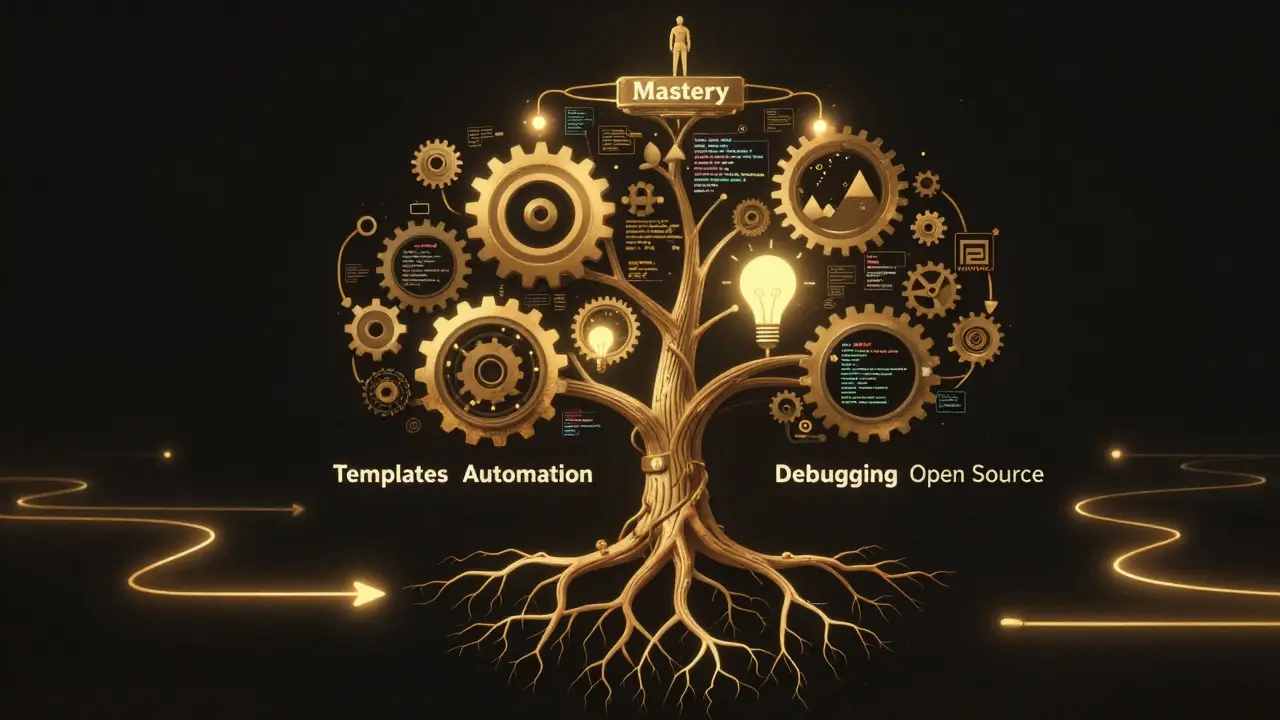
Stop Learning New Tools-Start Mastering the Ones You Have
The tech world is full of shiny new frameworks. But mastery beats novelty every time.
If you’re jumping from React to Vue to Svelte every six months, you’re not becoming a better developer. You’re becoming a jack-of-all-trades, master of none.
Choose one language and one framework. Go deep. Build three real projects with it. Contribute to open source. Read the documentation cover to cover. Learn the edge cases. Understand the internals.
Once you’ve mastered one stack, learning another becomes 70% easier. You’ve already learned how to think like a developer. The syntax changes. The mindset stays.
Build Things That Matter
The fastest programmers aren’t the ones who type the most. They’re the ones who build things people actually use.
Working on a side project that solves a real problem-like automating your grocery list, tracking your sleep, or helping your local bakery manage orders-forces you to think like a pro. You care about performance. You care about UX. You care about edge cases.
When you code for yourself, you don’t cut corners. You don’t ignore bugs. You fix them because you’re the one who has to live with them.
That’s how you become a pro. Not by watching tutorials. Not by memorizing algorithms. But by building, breaking, fixing, and rebuilding until it works-perfectly.
Speed Isn’t About Talent. It’s About Systems.
You don’t need to be a genius to program faster. You need better systems.
Use templates. Automate repeats. Learn your tools. Debug properly. Read real code. Work in short bursts. Build things that matter.
These aren’t hacks. They’re habits. And habits compound.
One hour saved per day. Five days a week. That’s 260 hours a year. That’s more than six full workweeks. What could you build with six extra weeks?
Start today. Pick one habit. Stick with it for 30 days. Then add another. In a year, you won’t recognize the coder you were.