How AI Is Changing Online Dating: Algorithms, Matchmaking & Future Trends
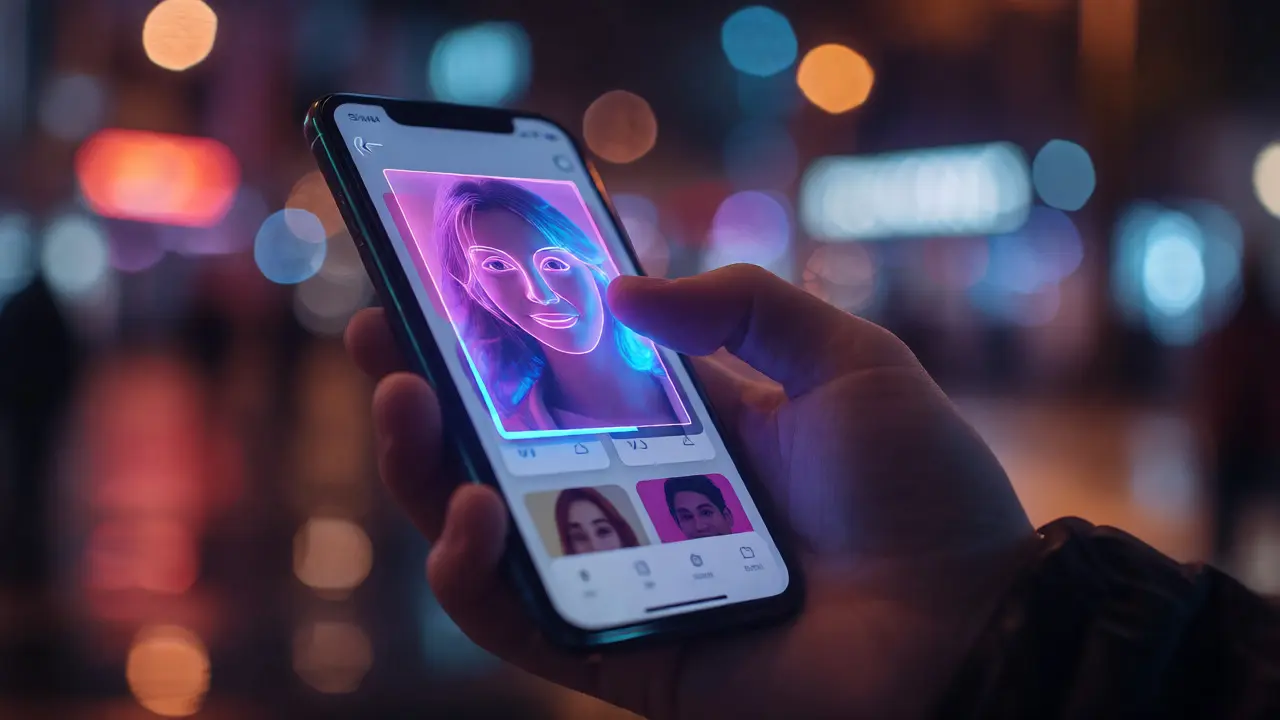
You swipe right. You match. You chat for three days. Then, silence. Sound familiar? For years, online dating has felt like a lottery ticket machine-high effort, low return, and often just plain exhausting. But the game is changing. It’s not just about who you see anymore; it’s about how machines understand what you actually want before you even type a word.
We aren’t talking about sci-fi robots bringing you flowers. We’re talking about Artificial Intelligence (AI) quietly rewriting the rules of connection. From analyzing your photo aesthetics to predicting if you’ll actually show up for the date, AI is moving from a background sorting tool to an active matchmaker. If you’re tired of ghosting and generic openers, this shift might be the break you’ve been waiting for.
The End of Blind Swiping
Think back to the early days of Tinder or Bumble. The algorithm was dumb. It showed you people nearby who were also on the app. That’s it. Proximity was king. Today, that model is obsolete. Modern platforms use complex behavioral data to curate your feed. They don’t just ask "who do you like?" They ask "who do you actually talk to?"
This is where machine learning enters the picture. Unlike static filters (age, location, height), ML models learn from your actions. Did you unmatch after two messages? Did you reply instantly to someone with a dog in their profile pic? The system notes this. It builds a psychological profile without you ever filling out a questionnaire. This isn't magic; it's pattern recognition at scale. The result? Your first ten matches are now statistically more likely to lead to a conversation than your last hundred were five years ago.
How Algorithms Actually Work
Most people assume dating apps use a simple ELO rating system, similar to chess rankings. While that’s part of it, the reality is far more nuanced. Companies like Hinge and eHarmony employ collaborative filtering. This method looks at users who behave similarly to you. If User A and User B both liked User C, and User A also liked User D, the algorithm predicts User B will like User D too.
But here’s the twist: they’re adding context. Newer systems analyze message sentiment. Are you using humor? Are you asking questions? Do you tend to drift into monologues? Natural Language Processing (NLP) scans these interactions. If you consistently engage with witty, concise messages but ignore long essays, the app stops showing you essay-writers. It’s a feedback loop that tightens over time. You become harder to fool because the data knows you better than your friends do.
Computer Vision: Judging Books by Their Covers (Accurately)
Let’s be honest: photos matter. But judging them is subjective. One person sees "messy hair," another sees "effortless cool." AI doesn’t have feelings, which makes it surprisingly good at objective visual analysis. Computer vision algorithms scan images for specific features: lighting quality, smile authenticity, eye contact, and even background clutter.
Platforms are now giving users real-time feedback. Some apps tell you, "Your third photo is blurry," or "You look happier in outdoor shots." This isn’t just vanity metrics. Data shows that clearer, well-lit profiles get 40% more engagement. By optimizing your gallery based on AI insights, you’re essentially hacking your own attractiveness score. It’s less about being beautiful and more about being readable to both humans and machines.
From Matching to Managing
Getting a match is easy. Keeping it alive is hard. This is where AI shifts from matchmaking to relationship coaching. Chatbots are no longer annoying customer service agents; they’re wingmen. Apps like Tinder’s "Smart Photo" feature or Hinge’s prompt suggestions use generative AI to help you craft better responses.
Imagine sending a message and getting a suggestion: "Ask about their hiking trip mentioned in bio #3." Or worse, getting a nudge: "Your tone seems passive-aggressive. Try rephrasing." These tools reduce friction. They bridge the gap between awkward silence and genuine interest. For introverts, this is a superpower. For extroverts, it’s a safety net against oversharing. The goal isn’t to replace human connection but to prevent bad starts from killing good potential.
| Feature | Traditional Dating App | AI-Enhanced Platform |
|---|---|---|
| Matching Logic | Proximity + Basic Filters | Behavioral Patterns + Psychographics |
| Photo Analysis | Manual Selection | Automated Quality & Sentiment Scoring |
| Conversation Start | User-Generated Openers | Context-Aware Suggestions |
| Feedback Loop | Like/Dislike Only | Message Depth & Response Time Tracking |
The Privacy Paradox
All this data collection sounds convenient, until you realize how intimate it is. Your dating history, your text tone, your facial expressions-this is sensitive info. Who owns it? Most terms of service say the company does. And yes, they sell aggregated insights to advertisers. You might wonder why you’re seeing ads for couples’ therapy or luxury vacations right after a breakup.
Bias is another elephant in the room. Algorithms can reinforce stereotypes. If historical data shows certain demographics get fewer matches, the AI might deprioritize those profiles unless explicitly corrected. It’s not malicious code; it’s learned prejudice. Users need to stay vigilant. Adjust your settings. Reset your preferences. Don’t let the black box dictate your love life entirely.
What’s Next: Predictive Chemistry?
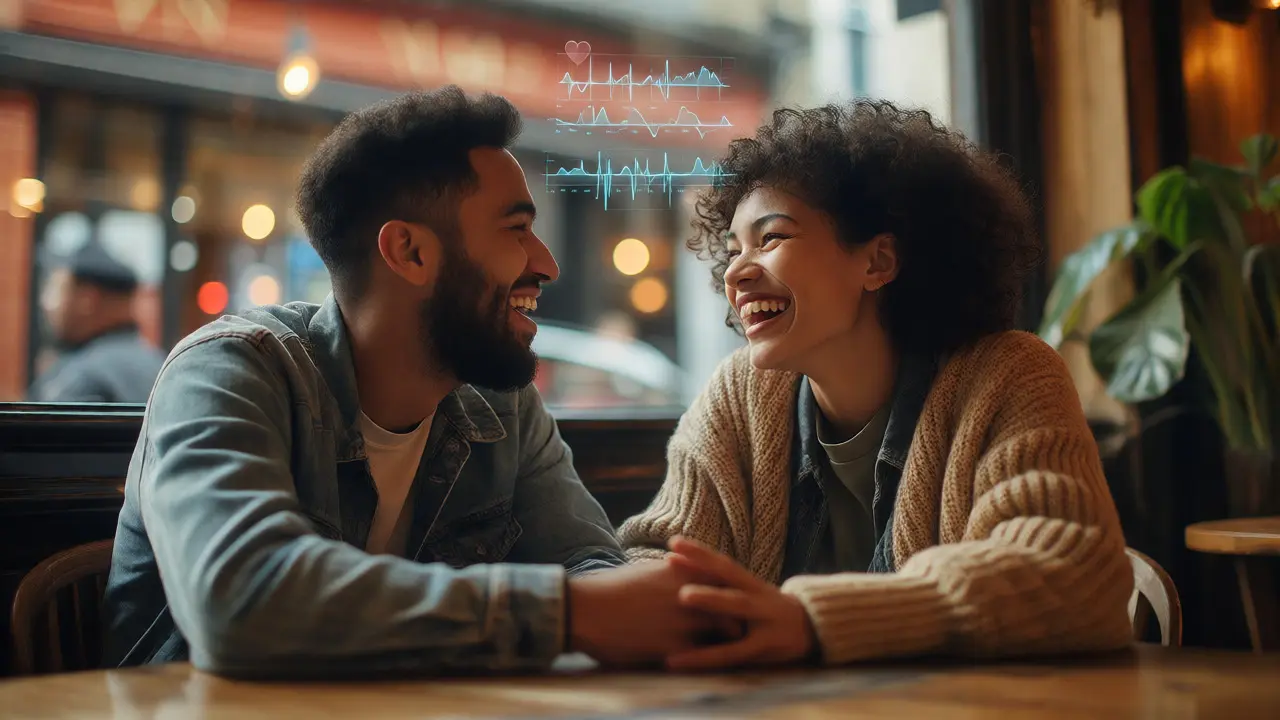
We’re still in the infancy stage. The next frontier is predictive chemistry. Can AI know if you’ll click before you meet? Early trials suggest yes. By analyzing voice stress levels during video calls or even syncing heart rates via wearable devices during virtual dates, researchers are finding correlations between biological responses and long-term compatibility.
Imagine an app that says, "Based on your biometric response to their voice pitch, there’s a 78% chance you’ll feel immediate attraction." Sounds creepy? Maybe. But compare it to swiping through 500 faces hoping one feels right. Efficiency wins. As sensors get cheaper and algorithms smarter, we’ll move from guessing games to data-driven romance.
Practical Tips for Navigating AI Dating
So, how do you play this new game? First, optimize your photos for clarity, not just aesthetics. Use natural light. Avoid heavy filters that confuse computer vision. Second, be authentic in your prompts. Generic answers yield generic matches. Specificity triggers better NLP parsing. Third, monitor your behavior. If you always unmatch after day three, the algorithm learns you’re impatient. Adjust your pace if you want deeper connections.
Finally, remember that AI is a tool, not a oracle. It can filter noise, but it can’t replicate human intuition. Trust the data, but trust your gut more. If the algorithm says "perfect match" but you feel nothing, skip the date. No amount of processing power can force chemistry.
Does AI guarantee I will find love?
No. AI improves efficiency and relevance, reducing wasted time on incompatible matches. However, human chemistry, timing, and personal growth remain unpredictable variables that algorithms cannot fully control or predict.
Is my private chat data safe with dating apps?
Data security varies by platform. Major apps use encryption, but they also analyze text for sentiment and topics. Always review the privacy policy. Assume your chats are analyzed for internal metrics, even if not shared publicly.
Can algorithms create bias in dating?
Yes. If historical user behavior favors certain traits, the AI may prioritize those traits, potentially disadvantaging others. Regularly updating preferences and providing explicit feedback helps mitigate algorithmic bias.
How does computer vision affect my profile visibility?
High-quality, clear images with good lighting and visible faces are ranked higher by CV algorithms. Blurry, heavily filtered, or group-only photos may lower your visibility score, reducing the number of potential matches you see.
Will AI replace human daters?
Unlikely. AI acts as a facilitator, handling the tedious filtering process. Human interaction, emotional nuance, and spontaneous connection remain essential for successful relationships, which machines cannot simulate authentically.